In-Office vs.At-Home Teeth Whitening:What is Safe for Enamel and What Causes Sensitivity
Want a pearly white smile but worried about your dental health? Let's explore which whitening methods are truly safe for enamel, and which can be harmful and painful.
A beautiful smile isn't just about aesthetics; it also boosts self-confidence. However, the desire to whiten enamel often leads to increased sensitivity and tooth damage if the wrong method is chosen.
In-Office Professional Whitening: Safety and Efficiency
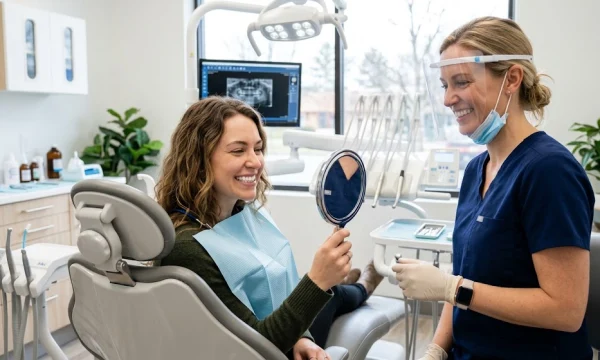
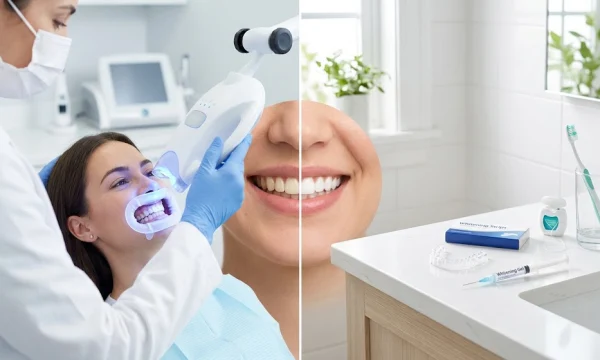
Clinical whitening is performed under direct dental supervision,minimizing risks to both enamel and gums:
Controlled formulas:Professional-grade gels use optimal concentrations of active whitening agents.
Soft tissue protection:Gums are shielded with a liquid barrier to prevent chemical burns and irritation.
Advanced technology:LED and laser systems (such as Zoom or Beyond) activate the gel gently without overheating tooth structures.
At-Home Whitening: What is Safe vs. Risky
Home whitening techniques vary significantly in their safety and impact on enamel:
Custom trays with professional gel:Crafted from personalized impressions by a dentist,this is a safe,gradual approach.
Over-the-counter strips and pens:Offer mild results but frequent use can irritate gums and cause uneven whitening.
DIY remedies and abrasive pastes: Baking soda, activated charcoal, and harsh pastes physically wear down enamel, causing micro-cracks and sensitivity.
Why Tooth Sensitivity Happens
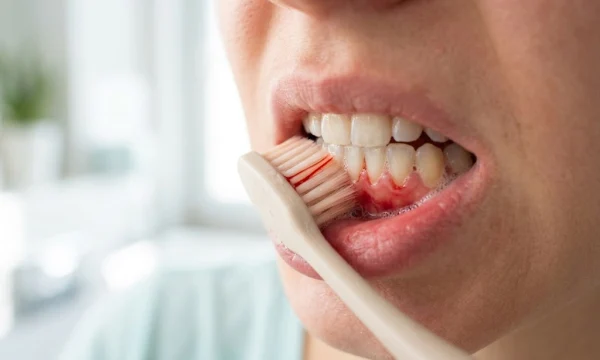
Post-whitening sensitivity is a common reaction that largely depends on the product used:
Peroxide penetration: Active oxygen molecules temporarily open microscopic dentinal tubules, triggering reactions to temperature.
Mineral depletion: Harsh homemade concoctions or low-quality gels leach calcium from the tooth surface.
Temporary nature: With professional protocols, sensitivity typically subsides within 24 to 48 hours.
Dentist Advice for Safe Smile Brightening
To protect your oral health while achieving a radiant smile, keep these rules in mind:
Initial checkup: Ensure there are no untreated cavities, enamel cracks, or gum inflammation before whitening.
Professional hygiene: Get a dental cleaning to remove surface plaque and tartar 1–2 weeks prior to treatment.
Remineralization therapy: Apply calcium and fluoride gels to strengthen enamel before and after the whitening process.
If you want to brighten your smile safely without compromising tooth health, consult the specialists at a modern dental clinic.