White and Brown Caries in Children: What Is the Difference and How to Treat It
Notice light spots or darkening on your child's teeth? Let's break down childhood caries stages, the risks of white and brown caries, and how to stop tooth decay on time.
Many parents believe that baby teeth do not need treatment because they will eventually fall out. However, the condition of primary teeth directly affects the health of permanent teeth. Caries in children develops rapidly, and it often starts with subtle changes in enamel color.
Understanding the stages of caries helps spot the problem early and consult a dentist before pain occurs.
What is white caries?
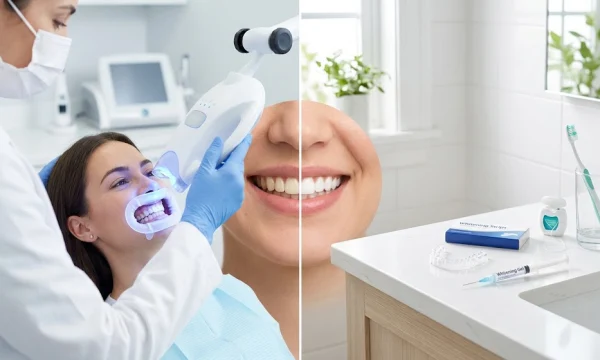
White caries is the initial stage of tooth damage, appearing as chalky or dull white spots. In this area, the enamel loses minerals (demineralization occurs), but the surface integrity is not yet broken. At this stage, the disease can be stopped without a drill. Modern methods allow strengthening the enamel using remineralizing gels and fluoridation.
Why does brown caries appear?
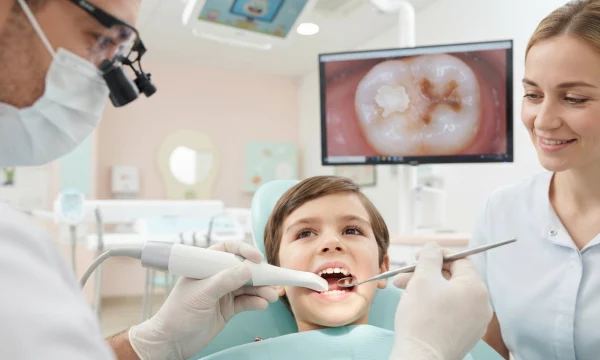
If the initial stage is missed, the process goes deeper. Brown or dark caries means that the enamel is already destroyed, and bacteria have reached the deeper tissues of the tooth (dentin). This color is caused by the pigmentation of destroyed tissues under the influence of food colorings and microorganisms. At this point, full treatment with preparation and filling is required.
How to distinguish the stages and why are they dangerous?
The differences between early and deep caries are distinct:
white spots — painless, no cavities, enamel is smooth or slightly rough;
brown spots and cavities — may cause sensitivity to cold and sweet foods, with a noticeable depression forming;
rapid progression — children's enamel is less mineralized, so white caries can turn into brown within just a few months;
risk of complications — a neglected process can lead to pulpitis and even premature tooth loss.
Prevention and care
To protect children's teeth from caries, it is important to follow simple rules:
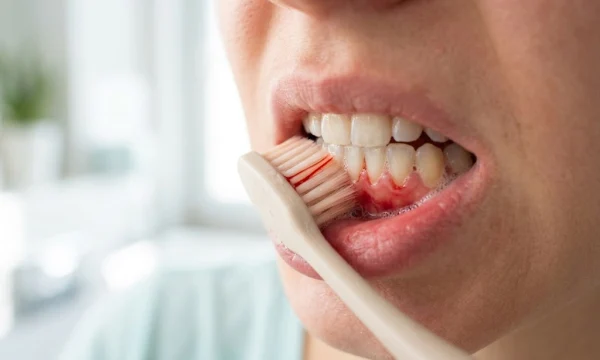
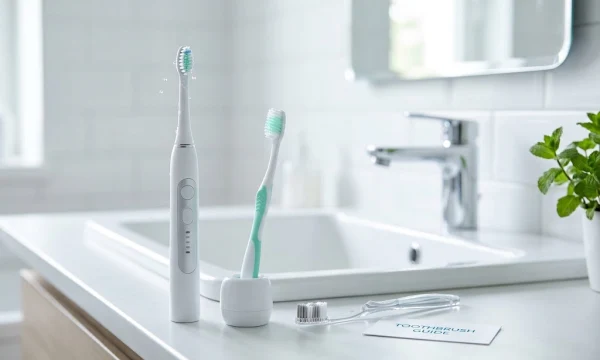
regular hygiene twice a day using age-appropriate children's toothpaste;
limiting sweets and sticky carbohydrates in the diet;
professional hygiene and dental check-ups every 3–6 months;
fissure sealing to protect chewing teeth.
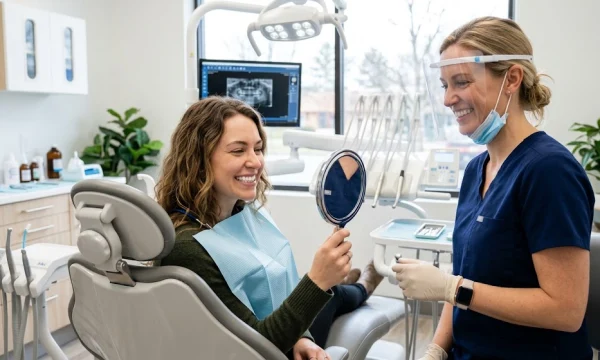
If you want to check your child's teeth or treat caries at any stage in Odesa, contact a modern pediatric dental clinic where doctors will find an approach to your child and provide treatment without tears or fear.