Water Flosser or Dental Floss: Which Better Removes Plaque and Protects Gums?
Proper interdental hygiene is key to healthy teeth and gums. We explore whether traditional dental floss or a modern water flosser is best suited for your daily routine.
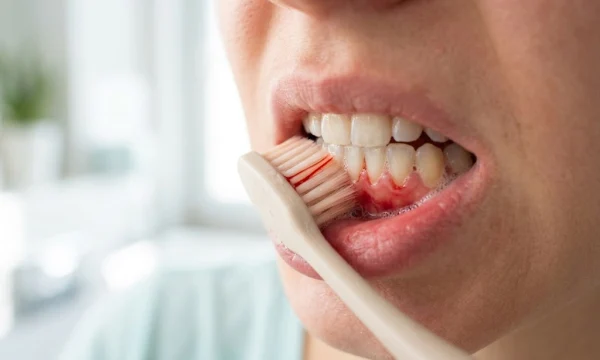
Properly cleaning between teeth is crucial for preventing tooth decay and gum inflammation. A standard toothbrush cannot reach these tight spaces, making additional hygiene tools essential.
Features and Benefits of Dental Floss
Dental floss is a time-tested tool designed to remove food particles and soft plaque from contacting tooth surfaces:
Mechanical cleaning: Effectively removes dense plaque from narrow gaps.
Compactness: Convenient to carry while traveling, at work, or at restaurants.
Accessibility: Affordable and requires no electricity or batteries.
Advantages and Features of a Water Flosser
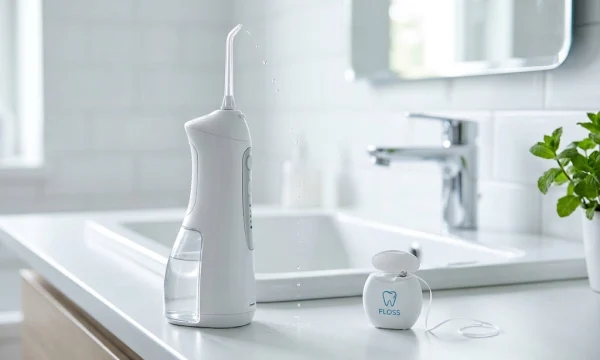
A water flosser cleans interdental spaces and gum pockets using a targeted, pulsating stream of pressurized water:
Gentle gum care: Massages gums gently, improving blood circulation and reducing bleeding.
Hard-to-reach areas: Ideal for individuals with braces, dental implants, crowns, and bridges.
Deep cleaning: Flushes out bacteria from periodontal pockets that string floss cannot reach.
Comparison: Which Should You Choose?
Choosing between a water flosser and dental floss depends on your unique oral health needs:
For tight tooth contacts: Dental floss excels at scraping away plaque between closely spaced teeth.
For sensitive gums and orthodontic appliances: A water flosser provides gentle, effective cleaning.
Optimal approach: Combining both tools delivers maximum protection against decay and gum disease.
Dentist Recommendations for Daily Care
To get the most benefit from your oral hygiene routine, follow these simple guidelines:
Consistency: Use floss or a water flosser at least once a day before bedtime.
Proper technique: Avoid snapping floss into gums and use moderate pressure settings on water flossers.
Professional advice: Consult your dentist to tailor the best hygiene routine for your teeth.
If you are unsure which hygiene tools suit you best or want to improve your oral health, contact the specialists at a modern dental clinic.